
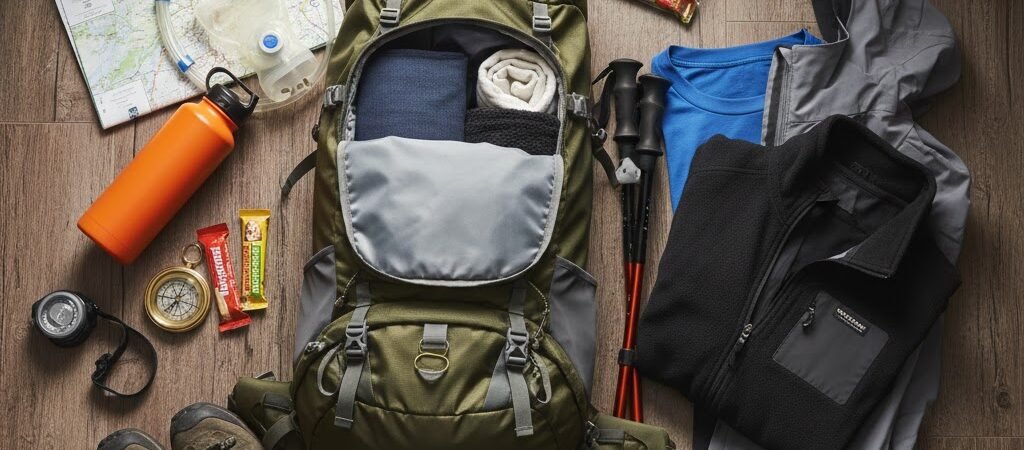
Last Updated: February 2026 | Affiliate Disclosure: I earn from qualifying purchases at no extra cost to you.
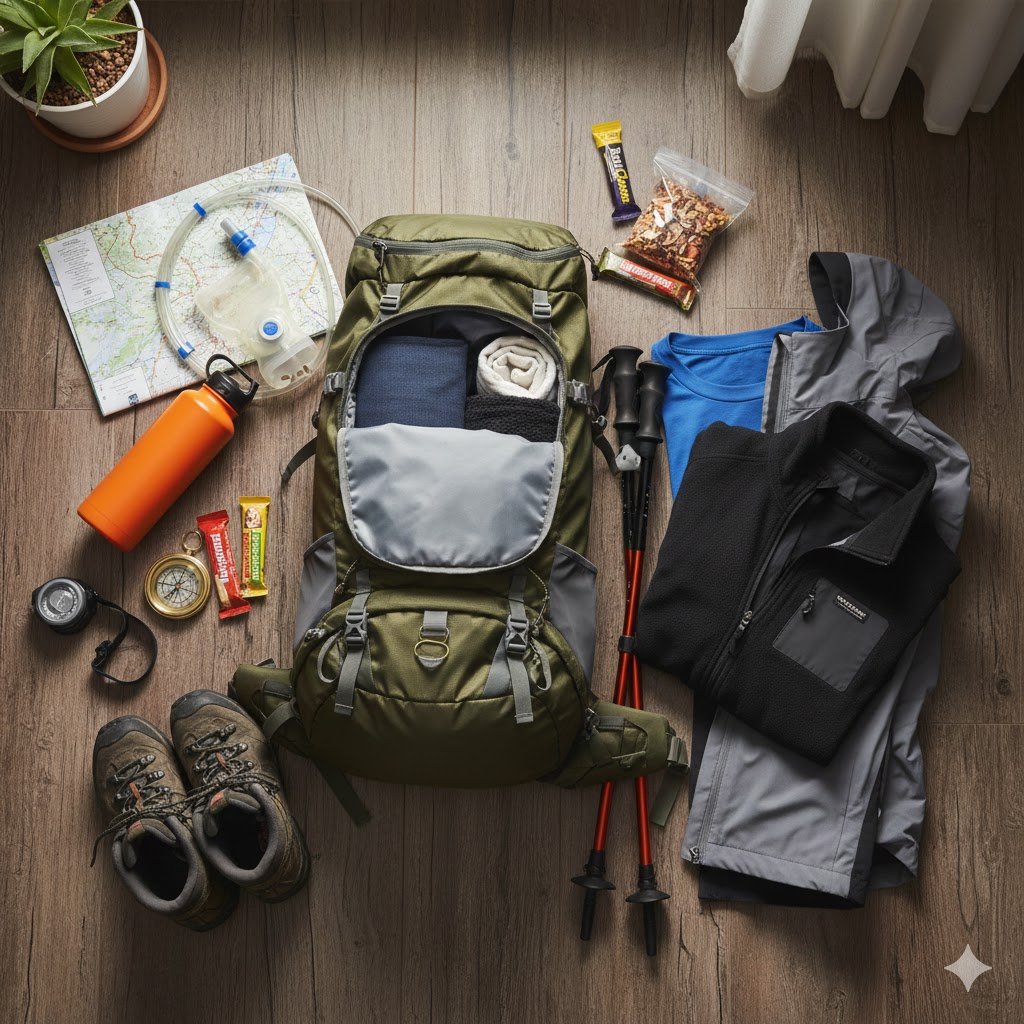
So you’re staring at REI‘s website with 47 tabs open, wondering if you really need a $300 rain jacket for a 3-mile trail near your house. I’ve been there. After 10+ years testing gear on trails from gentle nature walks to multi-day mountain expeditions, here’s the truth: you don’t need to spend thousands of dollars on hiking gear to hike safely and comfortably.
Let me save you from analysis paralysis and show you what actually matters.
Quick Navigation
- The 10 Essentials (Start Here)
- Footwear That Won’t Destroy Your Feet
- Best Backpacks by Activity
- Clothing That Actually Works
- Budget-Friendly Starter Kit
- Seasonal Gear Adaptations
Table of Contents
Before You Buy Gear
Don’t start preparing with a card in you hand. Do some research. Find out what is your hiking skill level. Are you brand new to hiking or have you hiked in the past and need to refresh the basics? Do some planning and once you know what kind of hiking you are planning to do (thru-hiking or day hiking). Once you’ve figured out your next trail’s difficulty level, only then it is time to look at buying the gear. Otherwise you’ll end up with stuff that you may or may not use.
The 10 Essentials: Your Safety Foundation
These are non-negotiable. Master these before worrying about anything else.
1. Navigation Gear (Don’t Get Lost)
What You Actually Need:
- Smartphone App: AllTrails+ ($36/year) – Download offline maps before you go
- Backup Paper Map: Local trail map from visitor center (often free!)
- Basic Compass: Silva Starter Compass ($20) – Batteries die, this doesn’t
My Take: Your phone’s GPS works great 90% of the time. The paper map and compass are for that 10% when your phone dies, you drop it in a creek, or you’re somewhere with zero signal. Learn how to use them in your backyard before you need them on a mountain.
Pro Upgrade: Garmin Fenix 8 GPS Watch ($1,099) or Garmin Enduro 3 ($899) – If you’re doing serious multi-day trips, these are worth it for the battery life and onboard maps.
2. Hydration (Water is Everything)
Beginner Setup:
- Nalgene 32oz Wide Mouth Bottle ($17) – Indestructible, lasts forever
- Sawyer Squeeze Water Filter ($42) – Lightweight, filters 100,000 gallons
Upgrade Option:
- Osprey Hydraulics 3L Reservoir ($50) – Hands-free drinking, fits in most packs
- CamelBak Crux 3L ($42) – Budget-friendly hydration bladder
How Much Water?
- Easy 1-2 hour hike: 1 liter per person
- 3-5 hour moderate hike: 2-3 liters
- All-day adventure: 3-4 liters + filter for refills
Real Talk: Water weighs 2.2 pounds per liter. Plan your water sources. I’ve seen too many people carry 6 liters “just in case” on a 2-hour loop with a stream at the halfway point.
More on hydration: Hiking Hydration Guide: How Much Water Do I Need on the Trail?
3. Nutrition (Don’t Bonk)
Day Hike Snacks (My Actual Pack):
- Trail Mix: Kirkland Signature Nuts ($18.5 for giant bag)
- Energy Bars: Clif Bars 15-pack ($17) – Cheaper than most, taste decent
- Jerky: Jack Link’s Beef Jerky ($15) – Protein keeps you going
- Emergency Backup: ProBar Meal Bar 12-pack ($30) – 390 calories each
Budget Hack: Make your own trail mix. Buy bulk nuts, dried fruit, and chocolate chips from Costco. You’ll save 60% versus pre-made stuff.
Calorie Rule: Plan 200-300 calories per hour of hiking. More if you’re going hard or it’s cold.
More on nutrition:
- Hiking Nutrition: What to Eat Before, During & After for Best Performance
- The Ultimate Guide to the Best Trail Snacks: 10 Nutritious Options Ranked by Hikers
4. First Aid Gear (Fix Problems Before They Ruin Your Day)
Essential Kit: Adventure Medical Kits Ultralight ($35)
Must-Have Add-ons:
- Leukotape ($9) – THE blister prevention tape that actually works
- Ibuprofen tablets – For sore muscles and minor pains
- Band-Aids, various sizes
- Antibiotic ointment
Blister Prevention: Put Leukotape on hot spots BEFORE they become blisters. I cannot stress this enough. A $9 roll of tape has saved dozens of hikes for me.
Pro Add: Take a wilderness first aid course. Your $28 first aid kit becomes 10x more valuable when you know what to do with it.
More on first aid: First Aid for Hikers: Essential Trail Safety Guide (What to Pack + How to Use It)
5. Fire & Light (See and Be Seen)
Lighting – Don’t Cheap Out Here:
- Petzl Swift RL Headlamp ($130) – 1100 lumens, rechargeable, lasts forever
- Budget Option: Black Diamond Spot 400 ($45) – Solid performer for the price
- Emergency Backup: Streamlight Nano ($10) – Tiny, bright enough
Fire Starting (For Emergencies):
- UCO Stormproof Matches ($12) – Burn in wind and rain
- BIC Lighter ($3) – Cheap, works, carry two
- Light My Fire FireSteel ($11) – 3,000+ strikes, works when wet
Why Red Light Mode Matters: It preserves your night vision. White light blinds you when you’re trying to navigate in the dark.
6. Emergency Shelter (For When Plans Change)
Lightweight Options:
- SOL Emergency Bivvy ($30) – Reflects 90% of body heat, 3.5 oz
- Emergency Mylar Blanket 4-pack ($8) – Super cheap backup
- Better Option: SOL Escape Bivvy ($70) – Breathable, reusable
Real Scenario: You twist an ankle at 2pm. It takes you 5 hours to hobble back instead of 2. Now it’s dark and you’re cold. A $19 bivvy prevents hypothermia while you wait for help.
7. Sun Protection (Prevent the Regret)
The Essentials:
- Neutrogena Ultra Sheer SPF 55 ($10) – Water resistant, doesn’t sting eyes
- Sunday Afternoons Adventure Hat ($50) – Wide brim, chin strap, UPF 50+
- Julbo Explorer 2.0 Sunglasses ($250) – 100% UV protection, durable
- Budget Glasses: Knockaround Classics ($28) – If you lose/break sunglasses a lot
Lip Protection: Chapstick SPF 15 ($4) – Reapply constantly. Sunburned lips SUCK.
High Altitude Rule: UV radiation increases 10-12% for every 3,000 feet. If you’re going above 8,000 feet, take sun protection seriously.
8. Knife/Multi-tool (The Swiss Army Solution)
Best All-Around: Leatherman Skeletool ($90)
- Knife, pliers, bit driver, bottle opener
- Only 5 oz
- What I carry on every hike
Budget: Victorinox Classic SD ($25)
- Tiny, has scissors (underrated!), tweezers
Ultralight: Gerber Dime Multi-Tool ($32)
- 2.2 oz, has bottle opener (essential)
Gear Repair Kit in Same Pouch:
- Tenacious Tape ($8) – Fixes torn gear
- Safety Pins
- Zip Ties
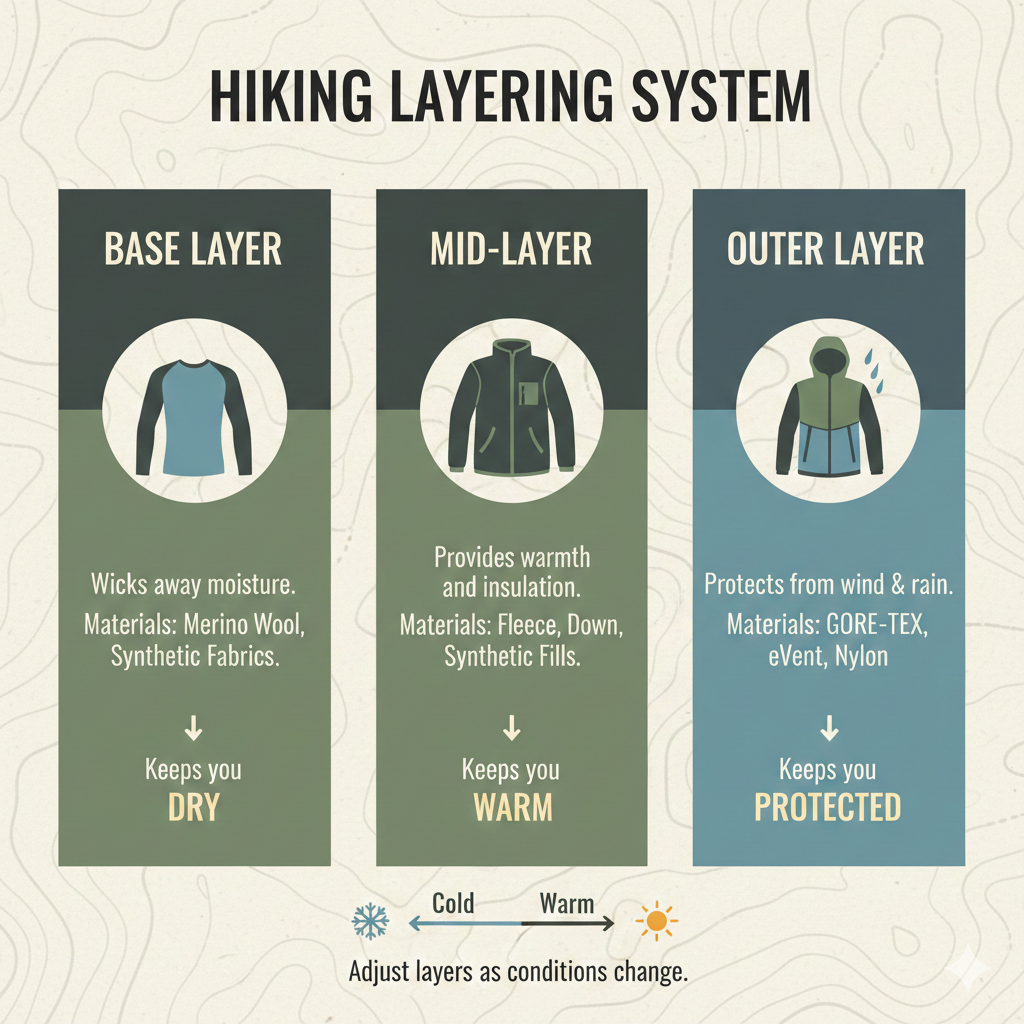
9. Extra Clothing (Layers Beat Heavy Jackets)
The 3-Layer System That Actually Works:
Base Layer (Moisture Management):
- Smartwool Merino 150 Base Layer Top ($115) – Doesn’t stink, works in wide temp range
- Budget: 32 Degrees Heat Base Layer ($12) – Surprisingly good for the price
Mid Layer (Insulation):
- Patagonia Better Sweater ($159) – Fleece that lasts forever
- Budget: Columbia Steens Mountain Fleece ($40) – Great value
Outer Layer (Wind/Rain):
- Marmot PreCip Eco Jacket ($120) – Waterproof, breathable, packable
- Patagonia Houdini Air ($179) – Ultralight windbreaker
- Emergency: Frogg Toggs Emergency Rain Jacket ($28) – Keeps you dry, tears easily
Don’t Forget:
- Darn Tough Micro Crew Hiking Socks ($25) – Lifetime warranty, actually comfortable
- Extra pair in pack – Dry socks = happy feet
- Beanie/warm hat – You lose 40% body heat through your head
- Gloves – Even summer nights get cold at elevation
More on layering: How to Layer Clothes for Hiking: The Complete Guide to Staying Comfortable in Any Weather
10. Communication Gear(For Real Emergencies)
Cell Phone Basics:
- Download offline maps
- Fully charge before leaving
- Anker 10,000mAh Power Bank ($30) for long trips
Remote Area Communication:
- Garmin inReach Mini 2 ($400 + $15/mo) – Two-way satellite messaging, SOS button
- When to bring: Anywhere you’ll be >1 hour from cell service
Emergency Whistle: Fox 40 Classic ($5)
- 3 blasts = distress signal
- Carries farther than your voice
Footwear: Your Foundation
The most important gear decision you’ll make. Wrong shoes = blisters, injuries, misery. Right shoes = you barely think about them.
Trail Runners (My Preference)
Best Overall: Salomon Speedcross 5 ($140)
- Aggressive grip for technical terrain
- Quick-drying
- Comfortable right out of box
Budget Pick: Merrell Moab 3 ($140)
- The classic for a reason
- Great for beginners
- Supportive without being stiff
Ultralight: Altra Lone Peak 8 ($140)
- Zero drop, wide toe box
- Light as hell
- Takes getting used to
Hiking Boots (When You Need Ankle Support)
Best Mid-Cut: Salewa Mountain Trainer 2 ($320)
- Stable on rocky terrain
- Vibram sole grips everything
- What I wear for scrambling
Budget: Columbia Newton Ridge Plus ($100)
- Waterproof
- Break-in period needed
- Good for heavy packs
Socks Matter More Than You Think
Gold Standard: Darn Tough Light Hiker Micro Crew ($27)
- Merino wool
- Lifetime warranty
- Buy once, wear for years
How Socks Should Fit:
- No bunching at toes or heel
- Snug but not tight
- Above your boot collar to prevent chafing
Pro Tip: Wear your hiking socks when you try on shoes. Different thickness = different fit.
More on hiking footwear: Hiking Footwear Guide: Best Trail Runners vs Hiking Boots vs Hiking Shoes
Backpacks: Carry Smart, Not Heavy
Day Hiking (1-4 Hours)
Best Value: Osprey Daylite Plus ($65)
- 20L capacity
- Hydration compatible
- Mesh back panel keeps you cool
Ultralight: REI Flash 18 ($45)
- 6.4 oz
- Stows in own pocket
- Minimalist done right
All-Day Adventures (5-8 Hours)
Top Pick: Osprey Talon 22 ($160)
- Perfect size for day hikes
- External attachment points
- Comfortable hip belt
Women’s Fit: Osprey Tempest 24 ($140)
- Same features as Talon
- Women-specific straps and belt
Overnight/Multi-Day (40-65L)
Best for Most People: Gregory Paragon 48 ($330)
- Comfortable with 40-pound loads
- Tons of organization
- Honeycomb mesh breathes
Budget: Teton Sports Scout 3400 ($100)
- 55L
- Rain cover included
- Heavy but works
Ultralight: Hyperlite Mountain Gear 2400 Southwest ($395)
- Waterproof Dyneema
- 28 oz
- For experienced hikers
Backpack Fitting 101
Most Important Thing: Torso length, NOT your height
- Measure from C7 vertebra (base of neck) to hip bones
- Most packs come in S/M/L torso sizes
- Hip belt should sit on hip bones
Load 30 pounds in it before buying – Feel is everything.
More on backpacks: The Best Hiking Backpacks: The Complete Guide
Clothing: Layer Like You Mean It
Hiking Pants
All-Purpose: prAna Stretch Zion Pants ($95)
- Durable, stretchy, quick-dry
- Zip pocket security
- Roll-up cuffs
Convertible: Columbia Silver Ridge Convertible ($55)
- Pants → shorts with zippers
- UPF 50
- Budget-friendly
Women’s: Outdoor Research Ferrosi Pants ($100)
- Soft shell fabric
- Water-resistant
- Flattering fit
Hiking Shirts
Sun Protection: Columbia PFG Tamiami II ($55)
- UPF 40
- Vented back
- Quick-dry
Merino Upgrade: Smartwool Merino 150 Base Layer ($85)
- Doesn’t stink
- Temp regulation
- Worth the money
Hiking Hoodie (Game Changer)
Best Overall: Outdoor Research Echo Hoodie ($75)
- Sun protection
- Thumb loops
- Breathable
Budget-Friendly Hiking Gear Starter Kit
Total: Under $400 for Everything You Need
| Item | Product | Price |
|---|---|---|
| Backpack | Teton Sports Scout 3400 | $100 |
| Footwear | Merrell Moab 3 | $140 |
| Hydration | Nalgene + Sawyer Filter | $54 |
| First Aid | Adventure Medical Kit + Leukotape | $65 |
| Headlamp | Black Diamond Spot 400 | $55 |
| Multi-tool | Victorinox Classic SD | $25 |
| Rain Jacket | Frogg Toggs | $18 |
| Fleece | Columbia Steens Mountain | $46 |
| Navigation | AllTrails+ Subscription | $36 |
| Socks | 2 pairs Darn Tough | $54 |
| TOTAL | $593 |
Add $50-100 for snacks, sunscreen, emergency supplies
Seasonal Gear Adaptations
Spring Hiking (March-May)
Extra Gear Needed:
- Gaiters ($30) – Keep mud out of shoes
- Extra layers – 40°F morning, 70°F afternoon
- Waterproof everything
Stream Crossings: Water is HIGH. Trekking poles ($30) are your friend.
Summer Heat (June-August)
Essentials:
- Sun hat with neck flap ($15)
- Double your usual water
- Electrolyte tablets ($12) – Replace what you sweat
- Early morning starts
Heat Exhaustion is Real: Dizziness, nausea, headache = stop immediately, cool down, hydrate.
Fall Colors (September-November)
Don’t Forget:
- Blaze orange vest ($15) – Hunting season!
- Headlamp for shorter days
- Extra warm layers – drops fast after sunset
Winter Wonderland (December-February)
Traction Devices:
- Light Ice: Yaktrax Walk ($25)
- Serious Ice: Kahtoola MicroSpikes ($85)
- Mountaineering: Hillsound Trail Crampons ($85)
Insulation:
- Down jacket ($150-300) – Worth every penny
- Insulated water bottle ($30) – Prevents freezing
- Chemical hand warmers ($15/box)
Trekking Poles: Worth the Hype?
Short Answer: Yes, especially if you’re over 30 or doing steep terrain.
Benefits:
- Reduce knee impact by 25%
- Better balance on uneven ground
- Can double as tent poles
- Push your way uphill
Top Picks:
- Black Diamond Trail Ergo Cork ($140) – Cork grips, comfortable
- Budget: Cascade Mountain Tech Carbon Fiber ($65) – Shockingly good for the price
- Ultralight: Gossamer Gear LT5 ($190) – 6.3 oz each
When to Use: Any steep descent, uneven terrain, creek crossings, or when you’re tired.
Navigation Tech Upgrades
GPS Watches
Best Overall: Garmin Fenix 8 ($1,170)
- Onboard topographic maps
- 29-day battery life (smartwatch mode)
- All the hiking stats you want
Better Value: Garmin Enduro 2 ($500)
- 90-day battery life
- Lighter weight
- Enduro band is super comfortable
Budget GPS: Garmin Instinct 2 ($300)
- Basic GPS functions
- 28-day battery
- Rugged as hell
Trail Apps
Must Have: AllTrails+ ($36/year)
- 400,000+ trail maps
- Download offline
- Real-time updates from hikers
Free Alternative: Hiking Project by REI (Free)
- Quality curated trails
- Fewer user reviews
Water Treatment Options Compared
| Method | Product | Pros | Cons | Price |
|---|---|---|---|---|
| Squeeze Filter | Sawyer Squeeze | Fast, reliable, 100k gallons | Requires squeezing | $46 |
| Gravity Filter | Platypus GravityWorks | Hands-free, filters for group | Heavier, slower setup | $150 |
| UV Purifier | SteriPEN Ultra | Kills viruses, fast | Needs batteries, doesn’t filter particles | $80 |
| Chemical Tablets | Aquatabs | Ultralight, cheap | 30-min wait, taste | $15 |
| Bottle + Filter | LifeStraw Peak Squeeze | All-in-one, convenient | Small capacity | $30 |
My Setup: Sawyer Squeeze for most trips. Chemical tablets as backup.
Hiking First Aid Kit: Build Your Own
Start with: Adventure Medical Kits Ultralight ($28)
Add These:
- Leukotape ($12) – #1 blister prevention
- Ibuprofen tablets ($10)
- Benadryl – Allergic reactions
- After Bite – Bug itch relief
- Tweezers – Splinters, ticks
- Gauze pads
- Medical tape
- Antibiotic ointment
- Moleskin – Backup blister protection
- Personal meds
Total Cost: ~$75 for complete kit
Pro Move: Take a Wilderness First Aid course ($200-400). Your gear is only as good as your training.
Common Hiking Gear Mistakes to Avoid
1. Cotton Clothes
“Cotton kills” isn’t just a saying. When wet (from sweat or rain), cotton loses all insulation and takes forever to dry. You’ll be cold and miserable.
Solution: Merino wool or synthetic materials only.
2. New Boots on Long Hikes
Break in footwear BEFORE your big trip. Minimum 20-30 miles of walking.
Solution: Wear them around town, short hikes, progressively longer.
3. Overpacking “Just in Case”
Your back and knees will hate you. Every pound feels like 5 pounds after mile 5.
Solution: Use the checklist. If you haven’t used something in 3 hikes, leave it home.
4. Ignoring Weather Forecasts
Mountain weather changes FAST. That sunny morning can become a thunderstorm by 2pm.
Solution: Check Mountain-Forecast.com before you go. Have rain gear even if it’s “supposed” to be sunny.
5. No Emergency Buffer
Things go wrong. You get lost, someone gets hurt, you take a wrong turn.
Solution: Always carry extra food, water, and a way to stay warm overnight.
More mistakes to avoid: 10 Common Beginner Hiking Mistakes (And How to Avoid Them)
Gear Maintenance Tips
Make Your Gear Last
Backpacks:
- Wash with mild soap, air dry
- Store loose, not compressed
- Fix small tears immediately with Tenacious Tape (Check on Amazon)
Boots/Shoes:
- Remove insoles to air out after each hike
- Clean mud off before storing
- Waterproof treatment ($15) once a season
Rain Jackets:
- Wash regularly (sweat degrades waterproofing)
- DWR treatment spray ($20) to restore water repellency
- Don’t store wet
Water Filters:
- Backflush after each trip
- Store completely dry
- Replace when flow slows
When to Upgrade Your Gear
Signs It’s Time
Boots/Shoes:
- Soles worn smooth
- Stitching coming apart
- No longer waterproof (if they were)
Backpack:
- Straps fraying
- Mesh torn
- Zippers broken (though these can be repaired)
Rain Jacket:
- Waterproofing gone even after treatment
- Taped seams peeling
- Fabric tearing
What to Upgrade First:
- Footwear (impacts every step)
- Sleep system (if backpacking)
- Backpack
- Clothing
- Accessories
My Actual Day Hike Pack List
What’s in my Osprey Talon 22 for a 6-hour hike:
- 3L water (2L reservoir + 1L Nalgene)
- Sawyer Squeeze filter
- 4 Clif Bars, bag of trail mix, jerky
- First aid kit with Leukotape
- Extra fleece layer
- Rain jacket
- Leatherman Skeletool
- Headlamp (even if I’m “definitely” back before dark)
- Phone with AllTrails, paper map
- Sunscreen, chapstick
- Emergency bivvy
- Lighter
- Trekking poles (strapped outside)
Total Weight: ~15 pounds with full water
Frequently Asked Questions
Do I really need trekking poles?
Not required, but they make steep descents WAY easier on your knees. If you’re over 35 or doing anything challenging, yes.
Can I hike in running shoes?
On smooth trails, absolutely. On rocky terrain, you’ll want more ankle support and tougher soles.
How much should I spend starting out
$400-600 gets you everything you need for day hiking. Don’t cheap out on boots and backpack.
Is expensive gear worth it?
Short answer: Sometimes. Boots, backpack, rain jacket = usually worth splurging. Stuff sacks, organizational pouches, fancy water bottles = go cheap.
What about hiking with dogs?
They need gear too! Dog pack, collapsible water bowl, dog first aid kit, booties for rough terrain.
More on hiking with dogs: Hiking with Dogs: Trail Etiquette, Gear, and Safety
Start Hiking: Your Action Plan
Week 1: Get the Basics
- Good footwear
- 20L daypack
- Water bottle + filter
- First aid kit
Week 2: Add Safety Gear
- Headlamp
- Emergency shelter
- Multi-tool
- AllTrails subscription
Week 3: Dial in Clothing
- Hiking pants
- Moisture-wicking shirt
- Rain jacket
- Extra socks
Week 4: Hit the Trail!
Pick an easy 3-mile trail. Test your gear. See what works, what doesn’t. Adjust.
Final Thoughts
The best hiking gear is the gear that gets you outside. Don’t let perfect be the enemy of good. You don’t need a $3,000 kit to enjoy a trail.
Start with the basics, learn what you actually use, upgrade thoughtfully. Every hike teaches you something about what works for YOUR hiking style.
The trails are waiting. Stop researching. Start walking.
Don’t forget to double-check your gear before hitting the trail! It’s easy to overlook the essentials, especially when you’re excited. Always pack rain gear, even if the forecast looks clear—weather can change in an instant. And remember, you might need a little extra food and water just in case your hike takes longer than expected. Enjoy the adventure, but stay prepared!
Got questions about specific gear? Drop them in the comments. I test this stuff constantly and love helping people find their perfect setup.
Shop My Complete Hiking Gear Kit
Day Hiking Essentials
- Osprey Talon 22 Backpack (check on Amazon)
- Salomon Speedcross 6 Shoes (check on Amazon)
- Darn Tough Hiking Socks (check on Amazon)
- Sawyer Squeeze Filter (check on Amazon)
- Petzl Swift RL Headlamp (check on Amazon)
Safety & Navigation
- AllTrails+ Subscription
- Garmin Fenix 8 GPS Watch (check on Amazon)
- Adventure Medical First Aid Kit (check on Amazon)
- Leukotape for Blisters (check on Amazon)
Clothing & Weather Protection
- prAna Stretch Zion Pants (check on Amazon)
- Marmot PreCip Rain Jacket (check on Amazon)
- Outdoor Research Echo Hoodie (check on Amazon)
- Patagonia Better Sweater
Tools & Accessories
- Leatherman Skeletool (check on Amazon)
- Black Diamond Trail Poles (check on Amazon)
- Anker Power Bank (check on Amazon)
I earn a small commission when you purchase through these links at no extra cost to you. It helps keep this content free and updated. Thank you for supporting independent hiking guides!
Last Updated: February 2026 | Next Update: May 2026
Bookmark this page – I test new gear constantly and update recommendations quarterly.
Related articles:
Leave a Reply