Last updated: January 2026
You can buy the most expensive, high-tech hiking boots on the market, but if you wear them with cheap cotton gym socks, you are going to have a bad time every step of your hike. Want bliss instead of blisters – try merino wool socks instead.
Ask any thru-hiker who has walked 2,000 miles: Your socks are the most important piece of gear you own.
Cotton absorbs sweat and holds it against your skin, softening it like a prune until—pop—you have a blister. Merino wool, on the other hand, is a miracle fiber. It pulls moisture away, regulates temperature (keeping you cool in summer and warm in winter), and somehow doesn’t stink even after three days on the trail.
For 2025, sock tech has actually improved. We’re seeing more recycled materials, “indestructible” weave patterns, and targeted cushioning that hugs your foot so the sock never slips.
Here are the winners for this year.
*This post may contain affiliate links. If you use them, I may earn a small commission at no extra cost to you.
Table of Contents
What is Merino Wool? (And Why Is It So Expensive?)
If you grew up wearing itchy, scratchy wool sweaters that smelled like a wet dog, you might be skeptical. But Merino wool is completely different from the “rag wool” your grandpa wore.
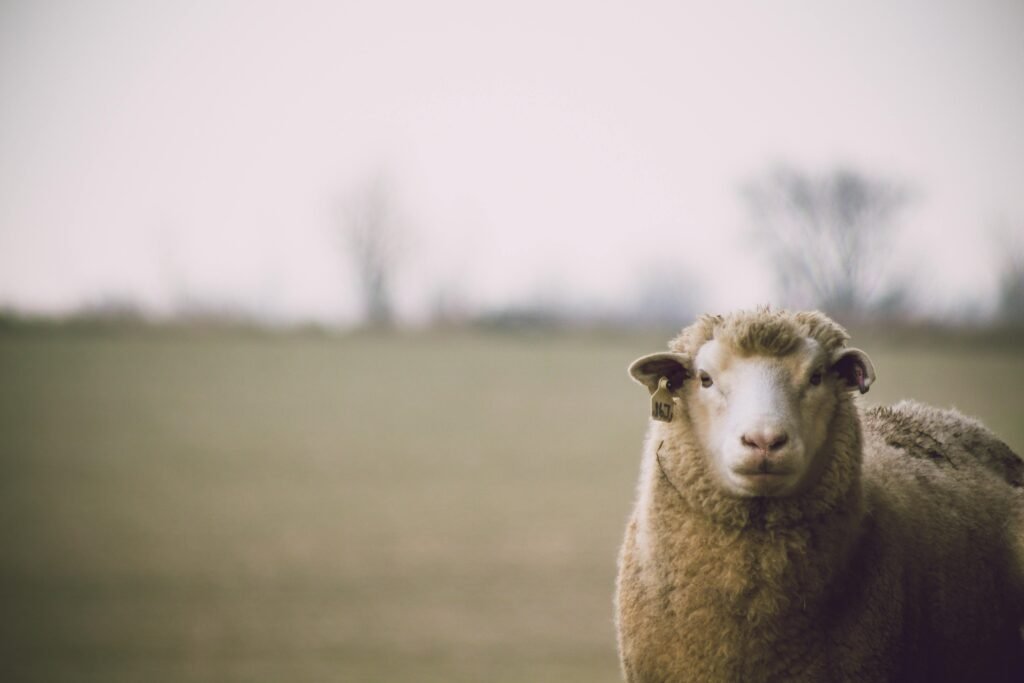
Merino comes from a specific breed of sheep (Merino sheep), originally from Spain but now mostly raised in the high mountains of New Zealand and Australia. Because these sheep live in extreme environments—scorching summers and freezing winters—their fleece has evolved to be nature’s ultimate climate control.
Here is why it is the “gold standard” for hikers in 2025:
- It’s Not Itchy: Traditional wool fibers are thick and rigid, which is why they prickle your skin. Merino fibers are microscopic—about 1/3 the thickness of a human hair. When they touch your skin, they bend rather than poke, creating a texture that feels as soft as cotton or cashmere.
- The “No Stink” Factor: This is the hiker’s favorite feature. Merino wool is naturally antimicrobial. It locks away the bacteria that cause odors, meaning you can wear the same pair of socks for 3 or 4 days on a backpacking trip, and they (mostly) won’t smell. Try doing that with polyester gym socks!
- Warm When Wet: If cotton gets wet, it sucks the heat out of your body (leading to hypothermia). Merino wool can absorb up to 30% of its weight in water and still insulate you. It actually generates a tiny amount of heat as it absorbs moisture, keeping your toes warm even if you step in a creek.
So, why the high price tag? Unlike synthetic polyester, which can be made cheaply in a factory, Merino wool takes a full year to grow on a sheep. It is a limited resource that requires sustainable farming, shearing, and processing. You are paying for the performance of a natural, renewable fiber that outperforms almost anything made in a lab.
| Feature | Merino Wool | Synthetic (Polyester/Nylon) | Cotton (Avoid for Hiking!) |
| Moisture Wicking | Excellent (Pulls sweat away, keeps insulating) | Good (Pulls sweat away, but can feel clammy) | Poor (Absorbs sweat, stays wet, causes blisters) |
| Odor Resistance | Excellent (Naturally antimicrobial) | Poor to Moderate (Needs chemical treatments) | Very Poor (Becomes stinky quickly) |
| Temperature Reg. | Excellent (Adapts to hot/cold) | Moderate (Can feel hot in summer, cold when wet) | Poor (Cold when wet, little insulation) |
| Comfort | Excellent (Soft, non-itchy, flexible fibers) | Good (Smooth, can be a bit stiff) | Moderate (Soft when dry, abrasive when wet) |
| Drying Time | Moderate (Dries slower than synthetics) | Excellent (Dries very quickly) | Very Poor (Takes ages to dry) |
| Durability | Good (Blended with synthetics for strength) | Excellent (Very strong and abrasion-resistant) | Poor (Breaks down easily, especially when wet) |
| Cost | $$$(Premium) | $$ (Mid-range) | $ (Cheap) |
| Sustainability | Renewable, Biodegradable | Petroleum-based, non-biodegradable (often recycled now) | High water usage, pesticide heavy (often recycled now) |
The Undisputed King (Best Merino Wool Socks Overall)
1. Darn Tough Hiker Micro Crew Cushion
Best For: The “Buy It For Life” Hiker
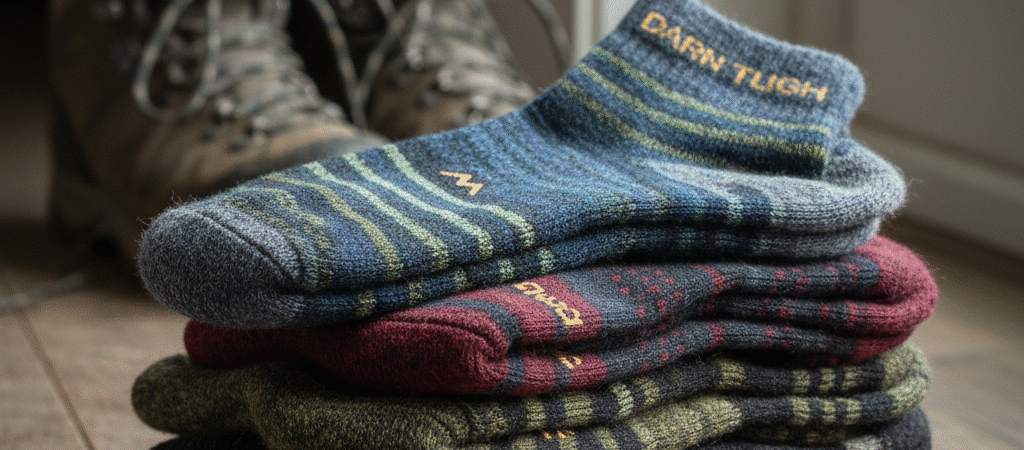
If you only buy one pair of socks this year, make it these. I have a friend who got a gift pair of these and has been loving them for 11 years and besides getting a little stained, they still feel like new. Darn Tough (made in Vermont, USA) has a cult following for a reason. They feature a high-density knit that feels bombproof yet soft. The “Micro Crew” height is perfect—sitting just above the top of a standard hiking boot.
- The Killer Feature: The Lifetime Guarantee. If you wear a hole in them (even 5 years from now), you wash them, mail them back, and they send you a brand new pair for free. No receipt needed.
- Fit Note: They run a little snug/athletic. If you are on the edge of a size, size up. Check Price on Amazon
The Comfort King (Best Fit & Feel)
2. Smartwool Performance Hike Light Cushion
Best For: Hikers with Wide Feet or Sensory Sensitivity
For years, the battle has been Darn Tough vs. Smartwool.
While Darn Tough wins on raw durability, Smartwool wins on comfort. The 2025 “Performance” line uses their Indestructawool™ technology to fix the old durability issues, but they still feel softer and more plush than competitors.
- Why we love it: The toe seam is virtually non-existent (great for sensitive toes), and they use more recycled nylon than before. The fit is slightly more relaxed than Darn Tough. Check Price on Amazon
The “Blister Stopper” (Best for Sensitive Feet)
3. Wrightsock Merino Coolmesh II
Best For: Hikers Prone to Blisters
If you get blisters no matter what you do, you need these. Wrightsock uses a unique Double Layer system.3 The inner layer stays stuck to your foot, while the outer layer moves with your boot. Friction happens between the sock layers, not against your skin.
- Real Talk: They aren’t as durable as Darn Tough (double layers can wear out faster), but if it saves you from painful heels, it is 100% worth the money. Check Price on Amazon
The American Classic (Best US-Made Alternative)
4. Farm to Feet Damascus Lightweight
Best For: The Sustainable Shopper
Farm to Feet is the rising star challenging the big dogs. Their claim to fame is “100% American Supply Chain”—the wool is grown by US sheep, spun in the US, and knitted in the US. The Damascus model has targeted compression that feels incredible on long days.
- Cool Feature: The “plaiting” construction puts only the wool yarn next to your skin, while the nylon reinforcement is on the outside. This means zero itch, maximum durability. Check Price on Amazon.
Quick Comparison: The Sock Stats
| Sock Model | Cushion Level | Warranty | Best For |
| Darn Tough Micro Crew | Mid-Cushion | Lifetime (Unconditional) | Overall Durability |
| Smartwool Performance | Light Cushion | 2 Years | Comfort & Fit |
| Wrightsock Coolmesh | Light (Double Layer) | 1 Year | Blister Prevention |
| Farm to Feet Damascus | Light/Targeted | Lifetime | US Sourcing |
Buying Guide: Decoding Sock Lingo
Shopping for socks in 2025 can be confusing. Here is what the terms actually mean:
- Cushion (Light vs. Full):
- No Cushion/Ultra-Light: Basically a liner. Good for trail running shoes in hot weather.
- Light Cushion (Most Versatile): Padding only on the heel and toe. Great for 3-season hiking.
- Full Cushion: Thick padding everywhere. Best for winter hiking or breaking in stiff leather boots.
- Crew vs. Quarter:
- Crew: Goes up the calf. Essential for wearing boots to prevent rubbing.
- Quarter: Covers the ankle bone. Good for low-cut hiking shoes (trail runners).
- Merino Blend: You never want 100% wool socks (they fall apart). Look for socks that are roughly 50-65% Merino Wool mixed with Nylon or Spandex for stretch and strength.
Final Verdict
If you want a sock you will never have to buy again, get the Darn Tough Micro Crew. The lifetime warranty essentially makes them an investment rather than a purchase.
If you prioritize softness and a relaxed fit, go with the Smartwool Performance Hike Light.
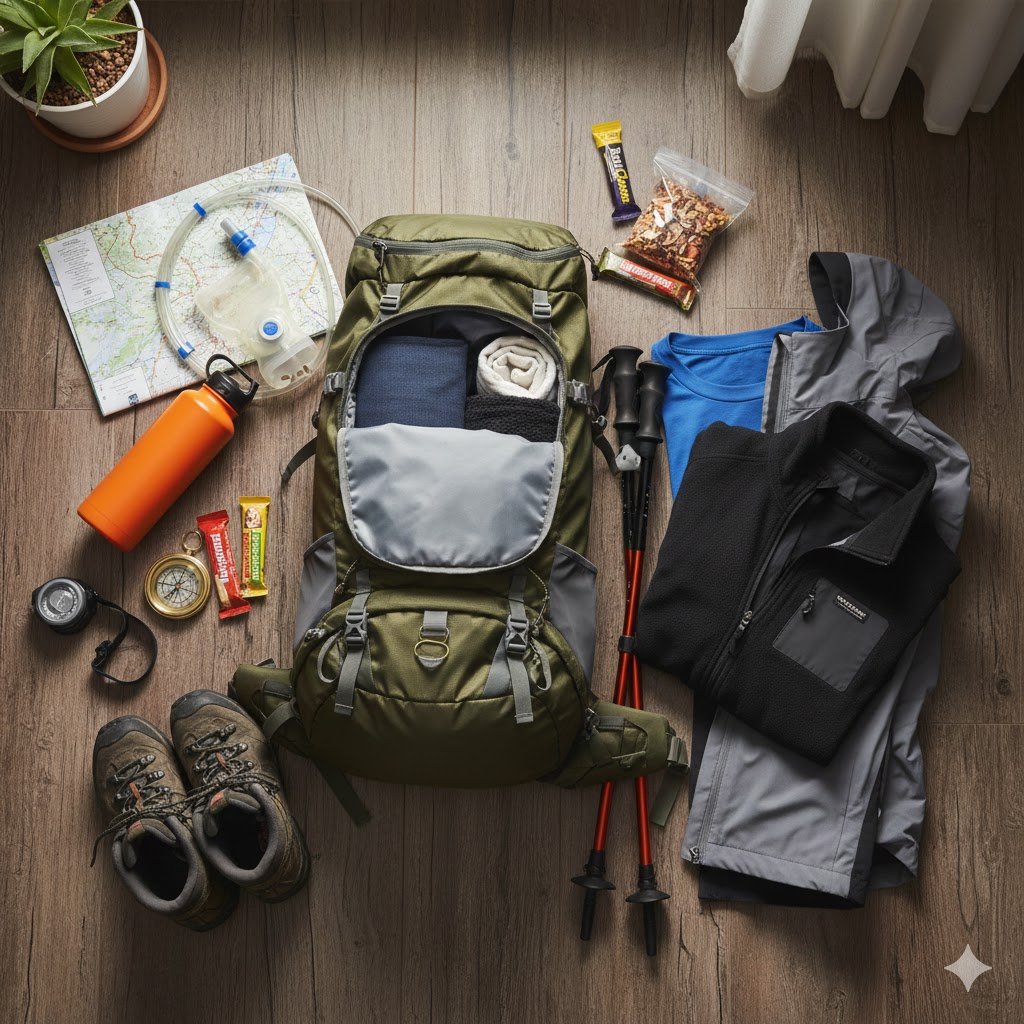
Pro Tip: Don’t just buy one pair. Buy three. One to wear, one to wash, and one dry pair kept in your backpack for an emergency mood-boost on a rainy day.
Related articles:


Leave a Reply